
Why OKRs Matter More Than Ever in the Age of AI
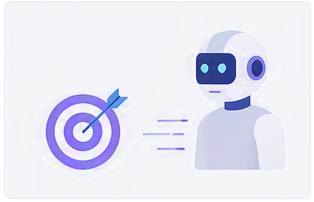
AI tools have made it faster than ever to write code, draft content, analyze data, and automate busywork. That sounds like great news for productivity—and it is. But speed without direction just means you get to the wrong place faster. That's exactly why OKRs matter more now, not less.
AI Removes the Bottleneck of Doing—Not Deciding
For years, the limiting factor for most teams was execution capacity: how much work could actually get done. AI has changed that. Tasks that took days now take hours. But this shift exposes a different bottleneck—knowing what's actually worth doing. When output is cheap, the real competitive advantage moves to clarity of direction. OKRs exist precisely to answer that question. It's a gap McKinsey's "Superagency in the Workplace" report found across most organizations: nearly nine in ten companies have deployed AI somewhere in the business, yet most say they haven't seen significant value from it.
More Output Makes Misalignment More Expensive
If a team without clear goals wastes a week on the wrong priority, that's a costly mistake. If that same team is now using AI to move five times faster, they can waste a week's worth of misdirected effort in a single day. AI doesn't fix misalignment—it amplifies it. Without a shared, visible set of objectives, faster execution just means faster drift from what actually matters.
Someone Still Has to Set the Target
AI can help you brainstorm objectives, suggest key results, or summarize progress—but it can't decide what your company should actually prioritize this quarter. That's a human judgment call, informed by strategy, customers, and context AI doesn't have. OKRs keep that judgment call explicit and visible, instead of letting priorities quietly get decided by whichever task an AI tool happened to make easiest. MIT Sloan Management Review makes a similar point: a strategy for AI isn't enough—leaders still have to decide which objectives and metrics matter before AI can help optimize them.
Tracking Progress Matters More When Work Moves Faster
When execution speeds up, check-ins can't stay an afterthought. Teams need a fast, lightweight way to see what's actually moving and what isn't—in real time, not just at the end of the quarter. This is exactly why we built Easy OKR to be fast to update and easy to check at a glance. No heavy process, no complicated setup—just a clear view of whether your goals are on track, updated as quickly as the work itself now happens.
The Bottom Line
AI makes it easier to do more. It doesn't make it easier to know what's worth doing. That gap is exactly where OKRs earn their keep. In a world where execution is fast and cheap, the teams that win will be the ones with the clearest objectives—not just the fastest tools. Set the direction first. Let AI help you get there faster.