
Watermelon OKRs: Green on the Outside, Red on the Inside
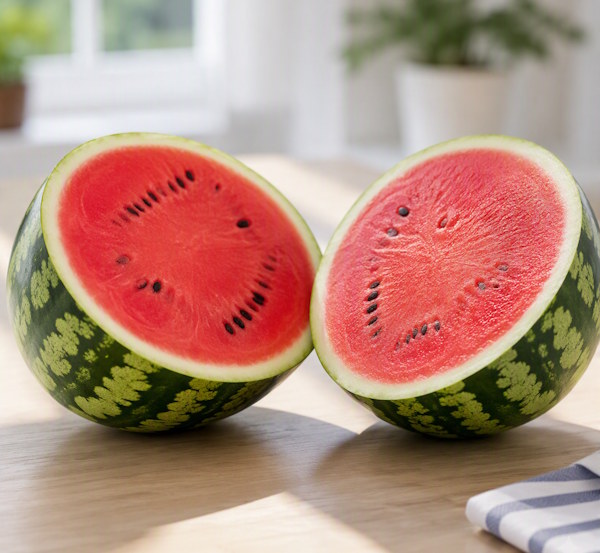
Every team that has run OKRs for more than a couple of quarters has seen this happen: a goal shows green, on track, week after week, and then at the very end of the quarter it turns out to be badly behind. Nobody lied exactly. The status just quietly drifted away from reality until the gap was too big to hide. This pattern has a name that sticks for a reason: a watermelon OKR, green on the outside, red on the inside.
How a Watermelon OKR Forms
It rarely starts as dishonesty. It usually starts as optimism, combined with a vague Key Result that's hard to measure precisely. If a Key Result reads something like "improve onboarding experience" instead of a specific measurable target, there's no hard number to check the status against. The person updating it has to make a judgment call, and under time pressure, the judgment call tends to lean generous. Add a few weeks of that generous rounding in a row, and the gap between the reported status and the real state of things grows quietly until it's a real problem.
Infrequent, Shallow Check-ins Make It Worse
A monthly or quarterly check-in gives a watermelon OKR plenty of room to grow before anyone notices, which is why Google's own OKR guide treats regular check-ins as a core part of running OKRs, not an optional extra. Weekly or biweekly check-ins shrink that window, but only if the check-in actually asks a real question. A check-in that just asks for a percentage update, with no room to explain what changed or what's blocking progress, produces exactly the shallow green status that hides trouble. The fix isn't more frequent check-ins alone, it's check-ins that ask for a short honest explanation alongside the number.
Fear of Reporting Red Is the Root Cause
The deeper reason watermelon OKRs form is psychological, not procedural. If reporting a Key Result as "at risk" or "off track" feels like admitting failure in front of leadership, people will avoid doing it as long as possible. Nobody wants to be the one who says something is red in a meeting the CEO is sitting in on. This mirrors what Harvard Business Review has documented about optimism bias in organizations more broadly: people systematically round bad news toward good news when reporting it upward carries a cost. This connects directly to how an organization treats OKR scores. Programs that grade OKRs like a performance review, or tie scores to compensation, make honest red statuses feel risky, which is exactly the environment where watermelons thrive.
How to Spot One Before It Ripens
A few warning signs are worth watching for. A Key Result that's been steady at "on track" for many weeks with no movement in the underlying number is suspicious, real progress is rarely perfectly smooth. A status update with no comment or context attached is another flag, since it usually means nobody actually looked closely before updating it. And a Key Result with a vague or unmeasurable target is a watermelon waiting to happen, because there's no objective number to catch the drift early.
Preventing the Pattern
The most effective fix is making Key Results genuinely measurable from the start, a specific number moving from a baseline to a target, so status can't be a matter of opinion. Pair that with check-ins that expect a short written update, not just a color, and make it normal, even expected, for some Key Results to show red partway through a quarter. A team that never reports red is either extraordinarily lucky or quietly not telling you something. This is part of why Easy OKR keeps the check-in flow simple but not silent, a status plus a short comment on every update, so it's easy for a manager to notice when a Key Result has been sitting at the same vague "fine" for too long.
Make Red Safe to Report
Ultimately, the cure for watermelon OKRs is cultural, not technical. Leaders need to treat an honest red status as useful information, not a failure to be managed downward. Teams that get thanked for flagging trouble early keep flagging it. Teams that get quietly penalized for it learn to keep everything green until it can't be hidden anymore, and by then it's usually too late to do much about it.